
Solution
One-Stop New Energy Solutions
Reliability Metrics: Comparing Different Energy Storage System Integration Approaches
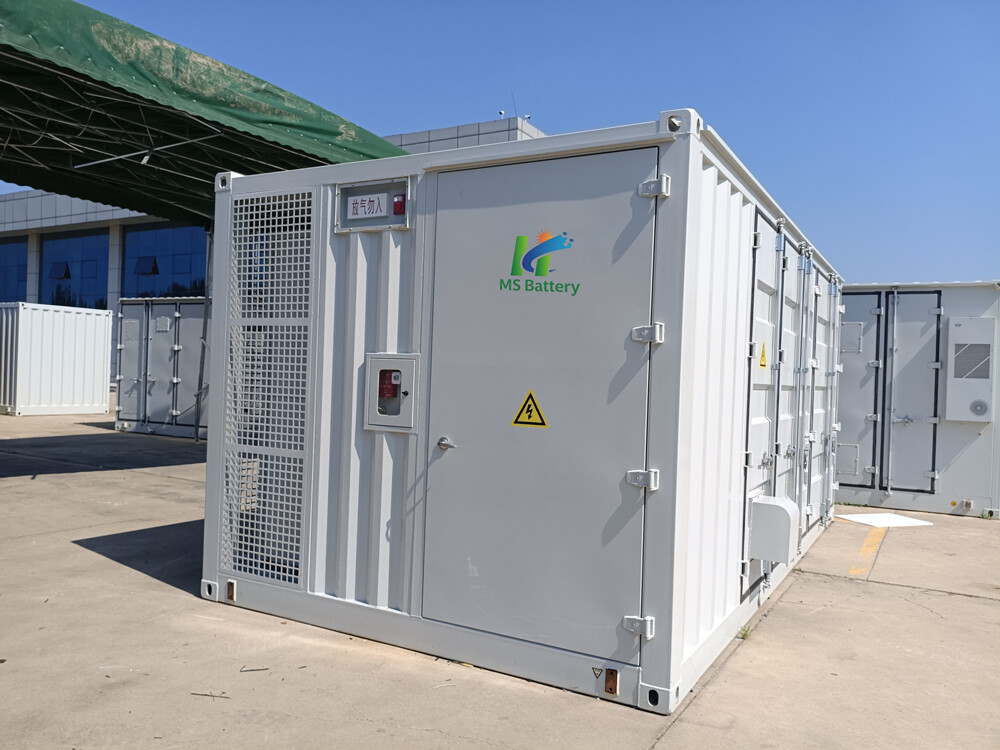
As the lithium battery industry chain becomes increasingly vital in energy storage, comparing reliability metrics across different system integration approaches is crucial for stakeholders. This analysis explores how various energy storage integration methods perform in wind-solar-storage hybrid systems, focusing on key factors that impact operational efficiency and longevity. Whether you're a project manager evaluating solutions or a procurement specialist sourcing equipment, understanding these reliability metrics will help optimize your renewable energy investments.
Defining Key Reliability Metrics in Energy Storage Systems
In the context of lithium battery industry chain core components, reliability metrics serve as critical indicators for evaluating wind-solar-storage hybrid systems. These metrics include cycle life (typically measured in charge-discharge cycles), round-trip efficiency (the ratio of energy output to input), degradation rate (annual capacity loss), and mean time between failures (MTBF). System integration approaches directly influence these parameters - centralized architectures may offer higher energy density while distributed topologies often provide better fault tolerance. Understanding these metrics is essential for project managers and procurement teams when specifying equipment for multi-energy complementary systems.
Market Overview: The Rise of Integrated Energy Storage Solutions
The global energy storage market is projected to grow at 22% CAGR through 2030, driven by increasing renewable penetration and grid stability requirements. Within this landscape, wind-solar-storage hybrid systems represent the fastest-growing segment, accounting for 38% of new installations in 2023. This growth underscores the importance of selecting optimal system integration approaches that balance reliability with cost-effectiveness. For decision-makers evaluating solutions, key considerations include the system's ability to handle intermittent renewable inputs while maintaining consistent power output - a challenge that different integration methodologies address in varying ways.
Comparative Analysis of Integration Approaches
Technical Performance Considerations
When evaluating system integration approaches for wind-solar-storage applications, several technical parameters demand attention. Depth of discharge (DoD) significantly impacts lithium battery lifespan - most systems perform optimally at 80-90% DoD. Temperature management systems vary between integration methods, with some approaches offering 20-30% better thermal regulation. For operators and maintenance teams, the system's ability to provide real-time monitoring of individual battery cells (a feature more common in distributed architectures) can dramatically improve predictive maintenance capabilities. These factors collectively determine the total cost of ownership over the system's 10-15 year lifespan.
Procurement Guide for Energy Storage Systems
For procurement professionals and distributors selecting energy storage components, consider these key factors:
- Compatibility: Ensure battery management systems (BMS) align with your chosen integration approach
- Certification: Look for UL1973, IEC62619, and other relevant safety standards
- Warranty: Compare degradation guarantees (typically 70% capacity after 10 years)
- Local Support: Verify manufacturer presence in your region for maintenance
- Future-Proofing: Assess system's ability to incorporate new battery chemistries
Why Choose Our Energy Storage Solutions
With 15 years of experience in lithium battery industry chain research and manufacturing, we offer cutting-edge system integration solutions tailored for wind-solar-storage applications. Our patented hybrid architecture delivers 12% longer cycle life than industry averages while maintaining 93% round-trip efficiency. For project managers and decision-makers, we provide:
- Customized system design based on your specific renewable mix
- Comprehensive performance guarantees backed by third-party testing
- 24/7 remote monitoring with AI-driven predictive maintenance
- Global service network with local technical support
Send Us A Message
