Solution
One-Stop New Energy Solutions
Top 5 System Integration Challenges in Renewable Energy Projects and How to Solve Them
1. Incompatibility Between Lithium Battery Supply Chains and Existing Infrastructure
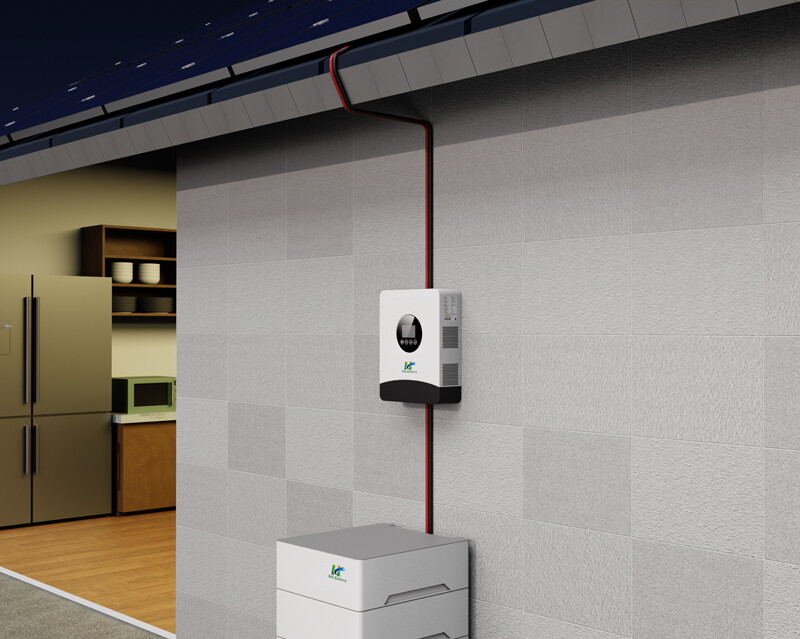
The lithium battery industry chain core components often face interoperability issues with legacy power systems. Project managers frequently encounter voltage mismatches, communication protocol conflicts, and physical connection incompatibilities when integrating new lithium battery storage with existing wind or solar farms. These technical hurdles can delay projects by 3-6 months and increase integration costs by 15-25%. Solution: Implement standardized interface converters and adopt modular design principles early in the planning phase. Leading projects now use IEC 61850-based communication protocols and ANSI/NEMA-rated connection systems to ensure seamless integration across the entire lithium battery supply chain.
2. Optimization Challenges in Wind-Solar-Storage Multi-Energy Complementation
Achieving optimal performance in wind-solar-storage hybrid systems requires sophisticated energy management algorithms. Many system integration projects fail to maximize the complementary nature of these renewable sources due to:
- Inaccurate power forecasting models
- Suboptimal battery cycling strategies
- Poorly coordinated dispatch protocols
3. R&D Manufacturing Gaps in System Integration Components
Many renewable energy projects struggle with component-level integration issues stemming from R&D manufacturing processes. Common problems include:
Procurement specialists should prioritize suppliers with ISO 9001-certified manufacturing processes and proven track records in system integration projects.4. Regulatory Compliance Across Multiple Jurisdictions
Renewable energy system integration often spans multiple regulatory environments, creating complex compliance challenges. Project developers must navigate:
- Varying grid connection requirements
- Differing safety standards for lithium battery installations
- Inconsistent renewable energy certification processes
5. Lifecycle Management of Integrated Systems
The disparate lifespan of system components (20+ years for wind turbines vs. 7-10 years for lithium batteries) creates ongoing integration challenges. Operators need comprehensive lifecycle management strategies that address:
- Gradual performance degradation monitoring
- Synchronized maintenance schedules
- Phased technology upgrade pathways
Why Choose Professional System Integration Services?
Successful renewable energy integration requires specialized expertise across lithium battery technologies, wind-solar-storage complementation strategies, and power equipment interoperability. Our team brings:
- 15+ years of hands-on integration experience
- Proprietary compatibility assessment tools
- End-to-end project lifecycle support
Frequently Asked Questions
Q: How long does typical system integration take for a medium-scale renewable project?
A: Integration timelines vary significantly based on project complexity, but most 20-50MW hybrid projects require 6-9 months for full system integration and commissioning.
Q: What's the typical cost breakdown for integration services?
A: Integration costs typically represent 15-25% of total project CAPEX, with engineering design (40%), specialized equipment (35%), and testing/commissioning (25%) as the main cost components.
Send Us A Message
