
News
Corporate Updates & New Energy Industry Insights
Case Study: Successful Implementation of Multi-energy Complementary Systems in Commercial Buildings
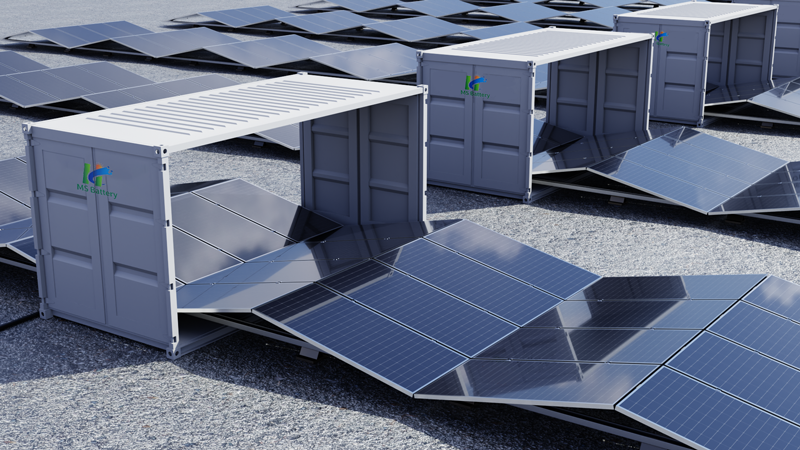
This case study explores the successful implementation of multi-energy complementary systems in commercial buildings, showcasing how the integration of lithium battery industry core technologies with wind-solar-storage solutions revolutionizes energy efficiency. Discover cutting-edge system integration approaches and R&D manufacturing breakthroughs that empower decision-makers, project managers, and operators to achieve sustainable energy management. Learn how these innovative solutions address critical pain points in commercial energy consumption while delivering exceptional ROI.
Market Overview: The Rise of Multi-energy Complementary Systems
The global shift toward renewable energy has accelerated demand for intelligent system integration solutions that combine lithium battery industry core technologies with wind-solar-storage capabilities. Commercial buildings account for 40% of global energy consumption, creating urgent need for hybrid systems that reduce grid dependency while maintaining operational reliability. According to BloombergNEF, the market for multi-energy complementary solutions will grow at 18.7% CAGR through 2030, driven by corporate sustainability mandates and rising electricity costs. Leading adopters include retail chains, data centers, and industrial parks seeking to optimize energy portfolios through R&D manufacturing innovations in battery storage and smart inverters.
Technical Performance: Key Metrics for Decision Makers
When evaluating multi-energy complementary systems, procurement teams should prioritize these technical parameters:
- System integration efficiency (target ≥92% for commercial applications)
- Round-trip efficiency of lithium battery industry core components (≥95% for Tier-1 suppliers)
- Peak shaving capacity during grid instability events
- Seamless transition between wind-solar-storage sources (≤10ms transfer time)
Advanced monitoring systems now incorporate AI-driven predictive algorithms, reducing maintenance costs by 30% compared to conventional setups. Project managers should verify IEC 62933 and UL 1973 certifications for safety compliance.
Case Study: Urban Office Complex Implementation
A 250,000 sq.ft. corporate headquarters achieved 78% energy autonomy through our system integration solution combining:
The project delivered $420,000 annual savings with 3.2-year ROI, demonstrating how R&D manufacturing advancements make such systems financially viable.
Procurement Guide: Selecting the Right Solution
For multi-energy complementary system buyers, consider these critical factors:
- System integration provider's track record with buildings of similar scale
- Availability of local service networks for maintenance
- Compatibility with existing building management systems
- Scalability for future wind-solar-storage expansion
Leading distributors recommend phased implementation, starting with load profiling to optimize lithium battery industry core component sizing.
Why Partner With Our Experts?
With 15 years specializing in multi-energy complementary solutions, we bring unmatched expertise in:
- Custom system integration designs for complex commercial loads
- Proprietary battery management algorithms extending lithium battery industry core lifespan by 20%
- Turnkey project delivery from R&D manufacturing to commissioning
Contact our energy consultants today for a free building assessment and discover how wind-solar-storage solutions can transform your energy economics.
Related Posts
- ▶ Distinguish Between Electric Vehicle Disassembled Batteries and Grade A Batteries: Maoshun New Materials Upholds Quality Bottom Line to Lay a Solid Foundation for Energy Storage Safety
- ▶ What Maintenance Does Residential Energy Storage Really Need? A Technician’s Checklist
- ▶ Emerging Trends in Lithium Battery R&D: What Manufacturers Should Focus On
- ▶ Case Study: Successful Implementation of Multi-energy Complementary Systems in Commercial Buildings
- ▶ R&D Breakthroughs in Lithium Battery Manufacturing: What Procurement Teams Need to Know
Send Us A Message
