News
Corporate Updates & New Energy Industry Insights
Emerging Trends in Lithium Battery R&D: What Manufacturers Should Focus On
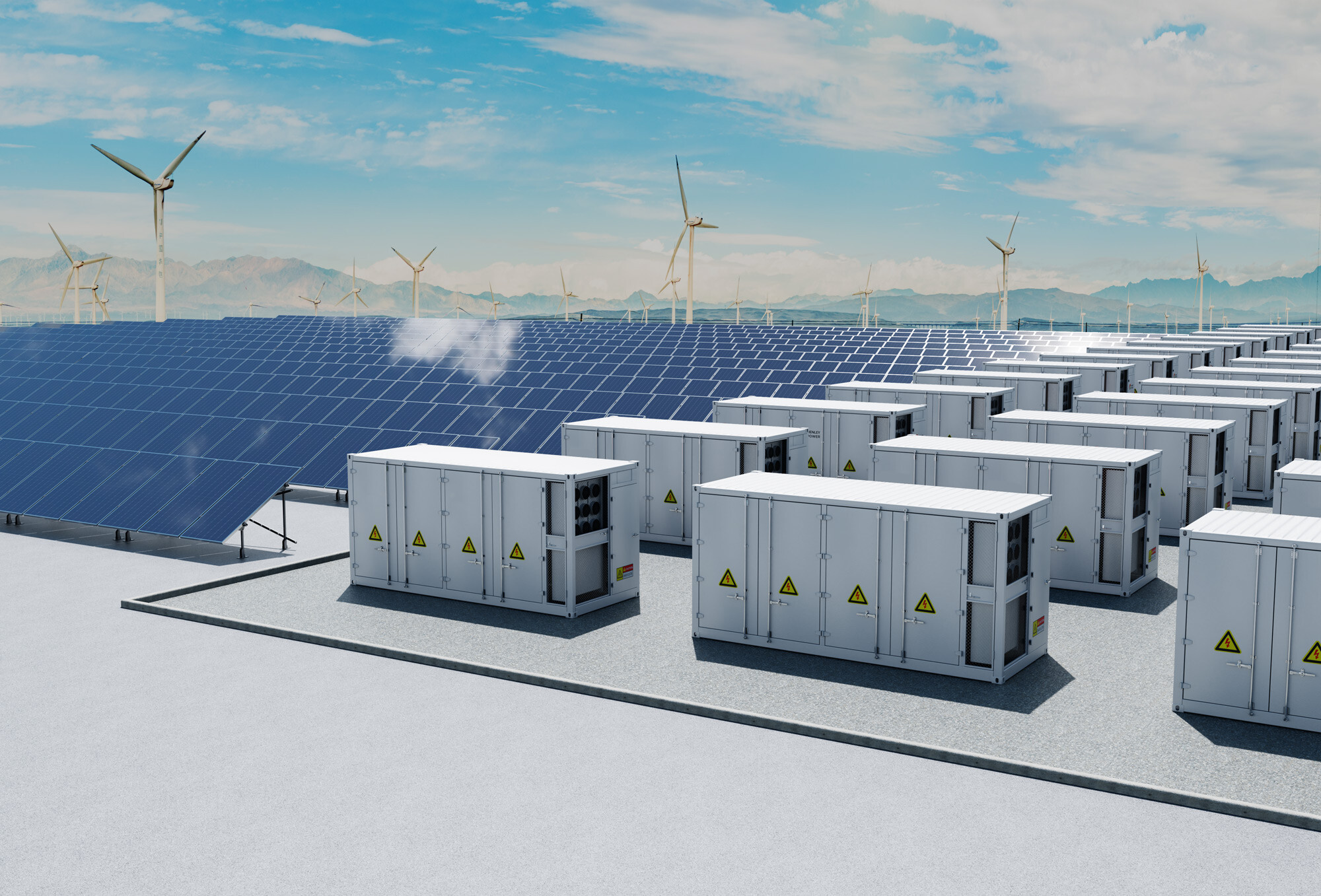
As the lithium battery industry evolves, manufacturers must prioritize core innovations across the lithium battery value chain. This article explores key R&D trends focusing on multi-energy complementarity (wind-solar-storage integration) and advanced system integration solutions. Discover how cutting-edge manufacturing technologies can empower decision-makers, project managers, and procurement specialists to optimize performance and competitiveness in this rapidly growing sector.
1. Market Overview: The Lithium Battery Industry's Explosive Growth
The global lithium battery market is projected to reach $129.3 billion by 2027, driven by demand for renewable energy storage and electric vehicles. Within the lithium battery value chain, manufacturers are focusing on three critical areas: energy density improvements, cost reduction through scaled production, and integration with wind-solar-storage hybrid systems. Key challenges include raw material volatility (especially lithium carbonate prices) and the need for standardized system integration protocols across different energy storage applications. For procurement teams and project managers, understanding these market dynamics is essential for making informed sourcing decisions.
2. Technical Performance: Breakthroughs in Core Battery Technologies
Recent advancements in lithium battery R&D are transforming power equipment capabilities:
- Solid-state batteries: Offering 2-3x energy density (500+ Wh/kg) versus conventional lithium-ion
- Silicon anode technology: Increasing cycle life to 1,200+ cycles at 80% capacity retention
- Thermal runaway prevention: New ceramic separators reduce fire risks by 70%
For system integrators and operators, these innovations enable more compact multi-energy complementarity solutions with higher safety margins. Procurement specialists should prioritize suppliers with ISO 9001:2015 certification and IEC 62619 compliance for industrial battery systems.
3. Application Scenarios: Wind-Solar-Storage Integration Case Studies
Successful implementations demonstrate the value of advanced lithium battery solutions in real-world conditions:
For project managers, these cases highlight how proper system integration can deliver ROI within 3-5 years. Energy storage consultants recommend conducting detailed site assessments before specifying battery chemistries.
4. Procurement Guide: Selecting Lithium Battery Solutions
When evaluating lithium battery manufacturers, consider these critical factors:
- Cycle life vs. depth of discharge (DOD): 80% DOD for 4,000 cycles is now industry benchmark
- Temperature tolerance: -20°C to 60°C operation range for extreme climates
- Battery management systems (BMS): Look for CAN bus communication and active balancing
Distributors should verify suppliers' production capacity (minimum 1GWh/year for reliable delivery) and request third-party test reports from TÜV or UL. For wind-solar-storage projects, prioritize manufacturers with experience in your specific application (residential, C&I, or utility-scale).
5. Why Partner With Industry Leaders
Forward-thinking manufacturers are redefining lithium battery R&D through:
- Vertical integration from raw materials to system integration
- AI-driven quality control achieving <99.8% cell consistency
- Customized solutions for multi-energy complementarity applications
Contact our technical team today for a free consultation on optimizing your energy storage projects with next-generation lithium battery solutions. Our experts can help you navigate the complete lithium battery value chain from procurement to commissioning.
Related Posts
- ▶ Distinguish Between Electric Vehicle Disassembled Batteries and Grade A Batteries: Maoshun New Materials Upholds Quality Bottom Line to Lay a Solid Foundation for Energy Storage Safety
- ▶ What Maintenance Does Residential Energy Storage Really Need? A Technician’s Checklist
- ▶ Emerging Trends in Lithium Battery R&D: What Manufacturers Should Focus On
- ▶ Case Study: Successful Implementation of Multi-energy Complementary Systems in Commercial Buildings
- ▶ R&D Breakthroughs in Lithium Battery Manufacturing: What Procurement Teams Need to Know
Send Us A Message
