
News
Corporate Updates & New Energy Industry Insights
Distinguish Between Electric Vehicle Disassembled Batteries and Grade A Batteries: Maoshun New Materials Upholds Quality Bottom Line to Lay a Solid Foundation for Energy Storage Safety

With the rapid development of the new energy industry, lithium batteries are widely used in various scenarios, especially in the energy storage sector where battery quality directly determines product safety, stability and service life. However, "electric vehicle disassembled batteries" are often confused with "Grade A batteries" in the market. Many enterprises blindly use electric vehicle disassembled batteries to cut costs, bringing potential safety hazards. As a professional lithium battery manufacturer, Maoshun New Materials has always adhered to strict quality standards. Today, we will explain the core differences between the two batteries, clarify the consequences of different choices, and show our pursuit of product quality.
I. Core Differences Between Electric Vehicle Disassembled Batteries and Grade A Batteries
To distinguish the two, we first clarify their core definitions and production standards. Although both are lithium batteries, they differ fundamentally in origin, performance and safety—like a stark contrast between "qualified products" and "hazardous products". The specific differences are as follows:
(1) Origin and Production Standards: One is "Retired & Refurbished", the Other is "New & Qualified"
Grade A batteries, also referred to as brand-new Grade A cells, are high-quality new batteries that roll off the production line after multiple rounds of rigorous testing in line with national production standards and complete production processes. Their production process is fully controllable: from the selection of core raw materials (including positive electrodes, negative electrodes, separators, and electrolytes) to each production procedure (such as coating, rolling, winding, and liquid injection), clear quality specifications are strictly followed. Prior to final delivery, they also undergo comprehensive testing covering capacity, internal resistance, cycle life, and safety performance, ensuring that the performance parameters of each cell are fully qualified and free from inherent defects. In addition, they are equipped with a complete traceability system and quality certification, enabling the tracing of production data and delivery information for each individual cell.

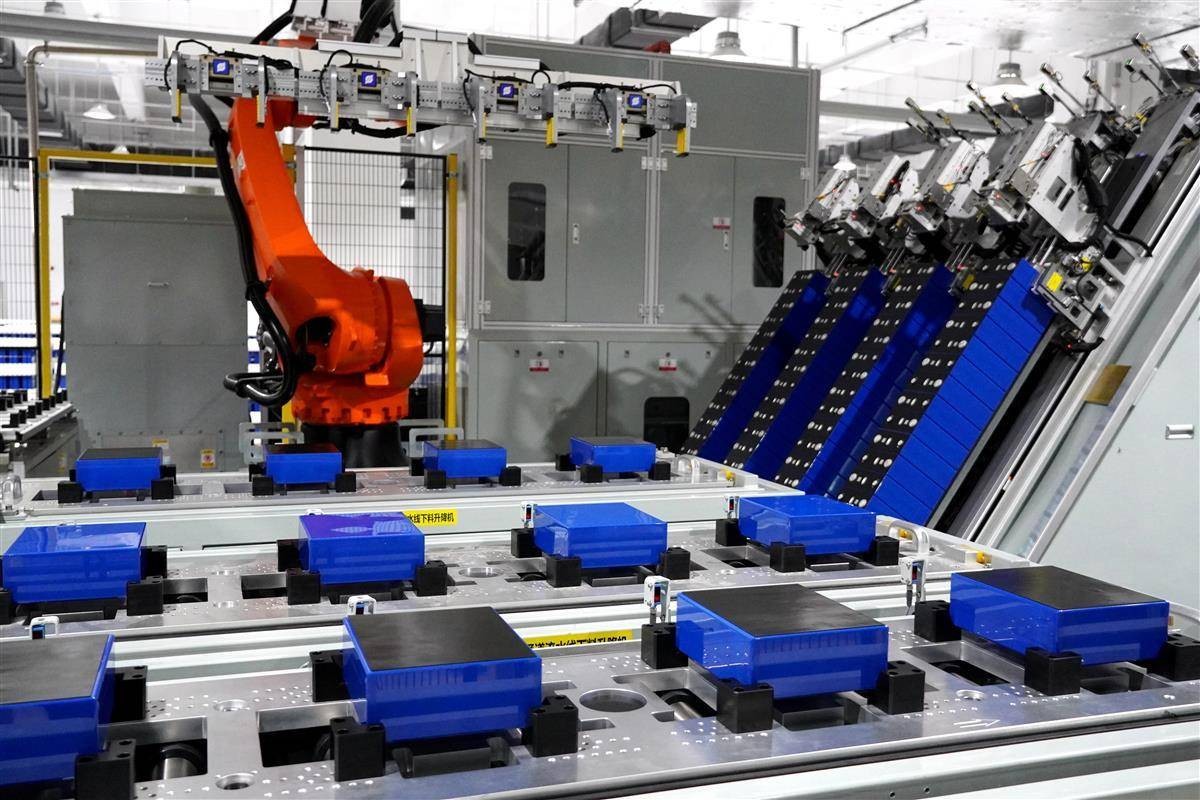
Grade A Battery Production Workshop: Fully automatic production line in a dust-free environment, with strict quality control in every process
Electric vehicle disassembled batteries, commonly known as disassembled cells in the industry, are essentially "secondary utilization" products formed by disassembling, testing, and reorganizing retired power batteries from new energy vehicles. Such batteries have long passed their "golden service life" in on-vehicle applications. Due to capacity fading and performance degradation, they can no longer meet the high-power and high-safety requirements of automotive operation. After being disassembled from vehicles, they are reorganized and put on the market after simple testing and screening (some enterprises even skip the testing process entirely). Their sources are mixed, possibly coming from retired vehicles of different brands, batches, and operating conditions. Most of them have exceeded the original factory warranty period and cannot provide complete traceability data or quality certification. Lacking unified production standards, they are essentially discarded products that are "refurbished for reuse".
(2) Performance: One is "Stable & Superior", the Other is "Unpredictably Fading"
The core advantage of Grade A batteries lies in their stable performance and excellent consistency. For Grade A cells produced in the same batch, the fluctuation of key parameters (such as capacity, internal resistance, and voltage) is minimal. For instance, the actual capacity deviation of a Grade A cell with a nominal capacity of 2600mAh can be controlled within ±2%, with extremely low and uniform internal resistance. The cycle life of lithium iron phosphate Grade A cells can reach over 2000 cycles, enabling long-term stable power output with slow fading speed. Even after prolonged use, they can maintain stable performance, fully meeting the long-term charge-discharge and high-reliability requirements of energy storage products.
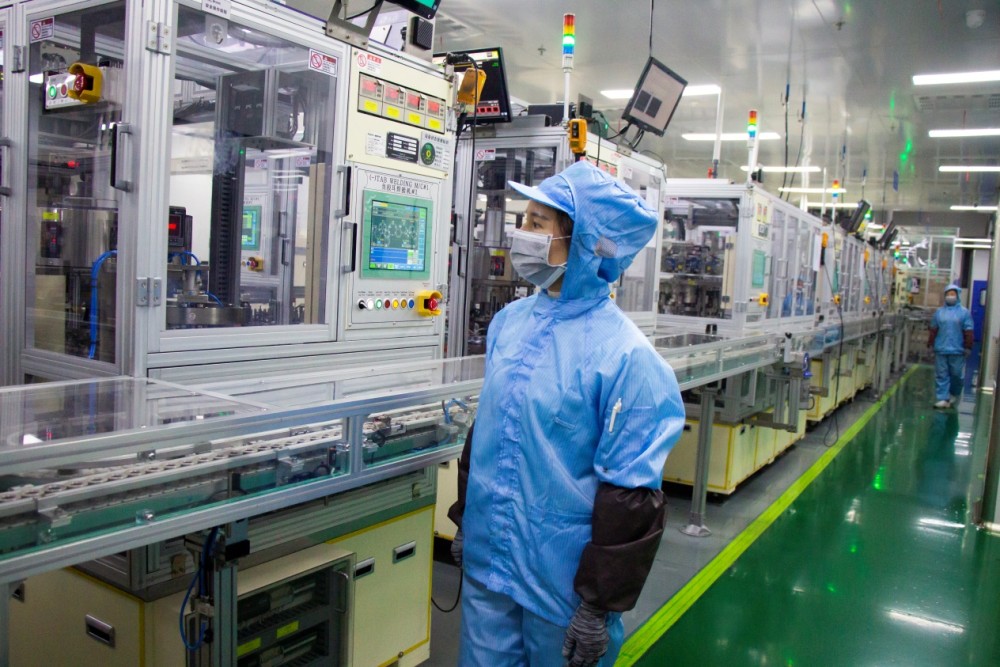
Grade A Battery Consistency Testing: High-precision testing equipment ensures uniform performance of each cell in the same batch
In contrast, the performance of electric vehicle disassembled batteries is highly uncertain, with extremely fast and irregular fading. Having undergone long-term, high-frequency charge-discharge in on-vehicle scenarios, the activity of chemical substances inside the cells decreases significantly, resulting in actual available capacity much lower than the nominal value. Although they may barely meet the standards initially, obvious fading will occur within just a few months—what could originally meet a full day’s energy storage demand may soon be reduced to half a day or even less. Frequent charging not only impairs user experience but also accelerates battery aging. At the same time, there are significant performance differences between different retired cells, with uneven internal resistance and voltage. Even after reorganization, performance consistency cannot be achieved, leading to unbalanced charge-discharge of the battery pack, further shortening its overall service life and making it difficult to meet the core demand for long-term stable operation of energy storage products.
(3) Safety Performance: One is "Rock-Solid", the Other is "Hazard-Prone"
Safety is the bottom line of lithium batteries, especially for energy storage products, which are mainly used in household, industrial and commercial, and grid-side scenarios. Safety performance is directly related to personal and property safety, and the safety gap between Grade A batteries and electric vehicle disassembled batteries is extremely significant.
During production, Grade A batteries must pass a series of rigorous safety tests, including overcharge, over-discharge, extrusion, puncture, and high-temperature tests. Every link from raw materials to finished products is strictly controlled, effectively eliminating safety hazards such as leakage, swelling, and short circuits. Even under extreme operating conditions, they can prevent safety accidents such as thermal runaway, fire, and explosion, building a solid safety barrier for energy storage products.
Grade A Battery Safety Test: Batteries undergo strict high-temperature, puncture and extrusion tests to ensure safety performance
On the contrary, electric vehicle disassembled batteries harbor numerous safety hazards and can be called "safety time bombs" for energy storage products. After prolonged use, the internal separators of retired cells are prone to aging and damage, which can easily cause internal short circuits. Meanwhile, poor cell consistency leads to local overheating during charge-discharge, which in turn triggers battery swelling and leakage. In severe cases, this can induce thermal runaway, even fire and explosion, threatening personal and property safety. More alarmingly, to cut costs, some enterprises perfunctorily conduct the testing process for electric vehicle disassembled batteries, failing to completely eliminate cells with severe performance fading and potential safety hazards, thereby further amplifying safety risks. In recent years, most safety accidents involving energy storage products have been attributed to the use of unqualified electric vehicle disassembled batteries.
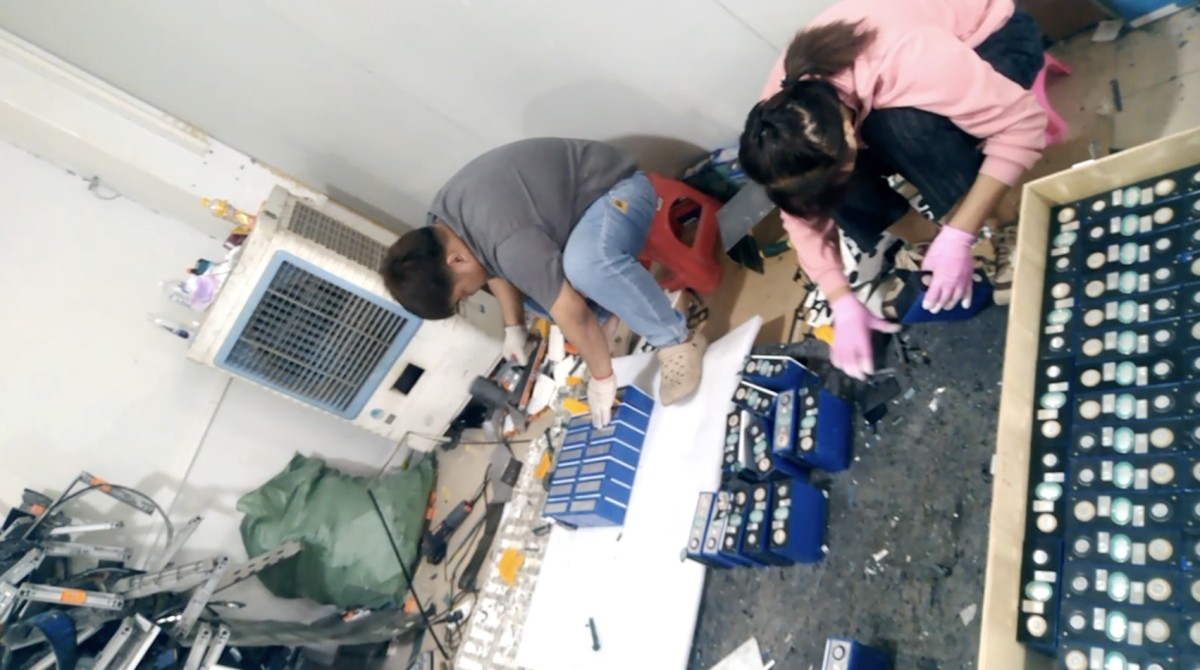
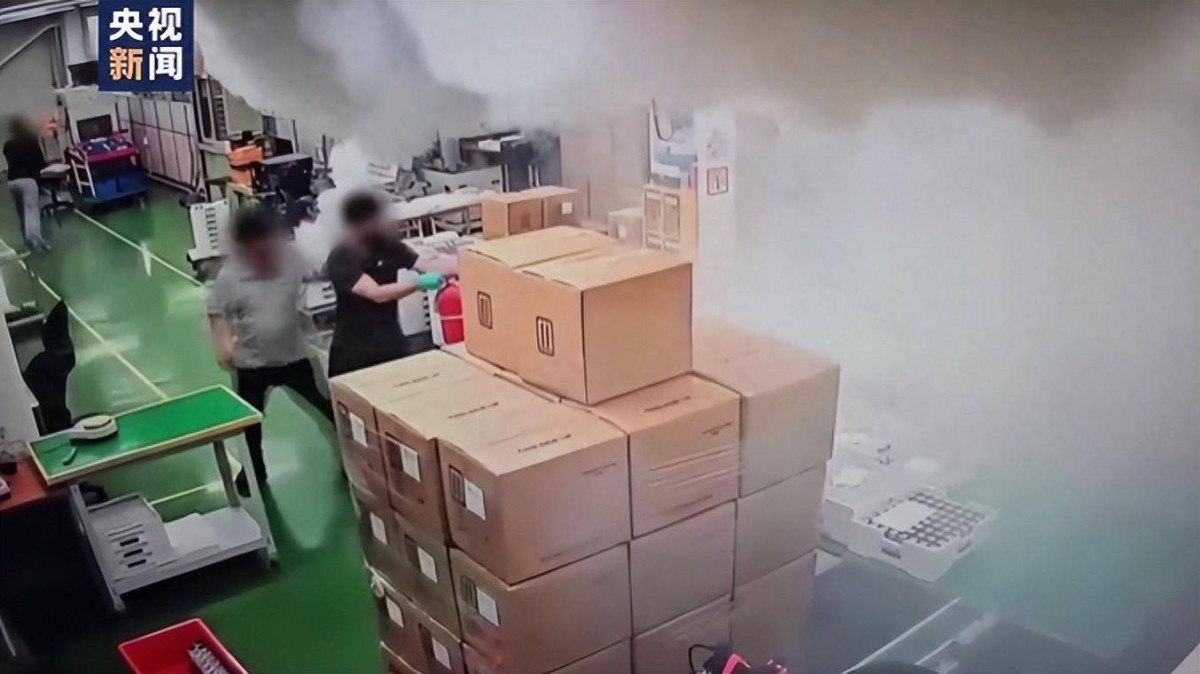
Safety Hazards of Disassembled Batteries: Simple disassembly process with scattered metal debris and no safety protection, easy to cause short circuit and fire
(4) Cost and After-Sales Service: One is "Long-Term & Worry-Free", the Other is "Not Worth the Cost"
In the short term, the purchase cost of electric vehicle disassembled batteries is much lower than that of Grade A batteries, which is the core reason why some enterprises blindly choose electric vehicle disassembled batteries. However, in the long run, using electric vehicle disassembled batteries for energy storage product production will actually incur higher costs and is not worth the investment. Although the initial purchase cost of Grade A batteries is slightly higher, they are more economical and worry-free in the long run.
Electric vehicle disassembled batteries have a short service life and high failure rates. Using them in energy storage products not only requires frequent maintenance and battery replacement (increasing operational costs) but also may cause the energy storage system to malfunction due to battery failures, resulting in economic losses. Meanwhile, electric vehicle disassembled batteries lack sound after-sales guarantees—effective after-sales support cannot be obtained when quality problems arise, ultimately harming the interests of both enterprises and users. In contrast, Grade A batteries have a long service life, stable performance, and extremely low failure rates, coupled with perfect after-sales guarantees. They do not require frequent maintenance or replacement, and their comprehensive cost is lower in the long run, helping users save operational costs and ensuring the stable operation of the energy storage system.
II. Key Warning: The Consequences of Using Electric Vehicle Disassembled Batteries vs. Grade A Batteries for Energy Storage Products Are Worlds Apart
The core demand for energy storage products is "safety, stability, and long-term effectiveness", and the choice of battery type directly determines the user experience, safety level, and service life of energy storage products. Using electric vehicle disassembled batteries and Grade A batteries for energy storage product production will lead to completely different outcomes. In particular, the hazards of energy storage products made from electric vehicle disassembled batteries have long been verified by industry practices and policy regulations.
(1) Energy Storage Products Made from Electric Vehicle Disassembled Batteries: Hazard-Prone and Not Worth the Investment
In recent years, with the rapid development of the energy storage industry, some enterprises have used unqualified electric vehicle disassembled batteries in energy storage products to pursue short-term profits, resulting in numerous problems. Combined with the current industry situation and policy orientation, the consequences are mainly reflected in four aspects:
First, frequent safety accidents threaten personal and property safety. As mentioned earlier, electric vehicle disassembled batteries have safety hazards such as short circuits, swelling, and thermal runaway. When made into energy storage products, they operate in a long-term charge-discharge cycle, which further amplifies these hazards and easily triggers safety accidents such as fire and explosion. This not only damages energy storage equipment but also affects the surrounding environment and personnel, leading to serious economic losses and safety risks. This is also the core reason why many regions have introduced policies to restrict the use of electric vehicle disassembled batteries in energy storage scenarios.
Second, rapid performance fading fails to meet usage needs. Energy storage products made from electric vehicle disassembled batteries may barely meet energy storage demands initially, but obvious capacity fading will occur within a few months, accompanied by a significant decline in charge-discharge efficiency. Frequent charging and insufficient battery life have become the norm, making it impossible to achieve long-term, stable energy storage power supply. They are completely incompatible with scenarios requiring high stability, such as industrial and commercial energy storage and grid-side energy storage, eventually rendering energy storage products useless and wasting initial investment.
Third, high operational costs violate the principle of economy. Electric vehicle disassembled batteries have a short service life and high failure rates, requiring frequent maintenance and battery pack replacement when used in energy storage products, resulting in extremely high operational costs. Meanwhile, such products lack sound after-sales guarantees, making it difficult to effectively solve problems when they arise. In the long run, their comprehensive cost is much higher than that of energy storage products made from Grade A batteries, which is not worth the investment. More notably, with the tightening of policy regulations, the testing and reorganization costs of compliant electric vehicle disassembled batteries have increased significantly, completely eroding their price advantage and further highlighting the irrationality of choosing electric vehicle disassembled batteries.
Fourth, violating policy regulations leads to compliance risks. The newly released "Interim Measures for the Recycling and Comprehensive Utilization of Waste Power Batteries of New Energy Vehicles" in 2026 has abolished the official concept of "cascade utilization", clearly defined red lines, and prohibited the processing of unqualified retired power batteries for key scenarios such as energy storage. Blindly using electric vehicle disassembled batteries for energy storage product production not only faces safety risks but also may violate policy regulations, leading to the risk of penalties and market elimination.
(2) Energy Storage Products Made from Grade A Batteries: Safe, Long-Lasting, and Worry-Free
In stark contrast to electric vehicle disassembled batteries, energy storage products made from Grade A batteries can perfectly meet the core needs of energy storage scenarios, with their advantages spanning the entire product life cycle:
First, safety is guaranteed, eliminating potential hazards. Grade A batteries have passed rigorous safety tests, featuring stable performance and reliable quality. When made into energy storage products, they can effectively avoid safety problems such as short circuits, swelling, and thermal runaway. Even after prolonged use, they can maintain stable safety performance, building a solid safety barrier for various energy storage scenarios (including household, industrial and commercial, and grid-side energy storage) and complying with national energy storage product safety standards and policy orientation.
Second, stable and long-lasting performance meets long-term usage needs. Grade A batteries have a long cycle life and slow fading speed. Energy storage products made from them can provide stable power output for a long time with high charge-discharge efficiency, eliminating the need for frequent charging and maintenance and fully meeting the core demand for long-term stable operation of energy storage products. Whether for daily power supply in household energy storage, peak-valley arbitrage in industrial and commercial energy storage, or peak shaving and frequency modulation in grid-side energy storage, they can be perfectly adapted to achieve long-term value empowerment.
Third, lower comprehensive cost combines economy and practicality. Although the initial purchase cost of Grade A batteries is slightly higher, they have a long service life and extremely low failure rates, requiring no frequent maintenance or replacement. In the long run, their comprehensive operational cost is significantly reduced, making them more economical. Meanwhile, Grade A batteries are equipped with a complete traceability system and after-sales guarantee, ensuring that problems can be solved in a timely and effective manner when they arise. This not only makes them more worry-free for users but also helps enterprises establish a good brand reputation and achieve long-term development.
III. Maoshun’s Commitment: Crafting Reliable Energy Storage Battery Products with Ultimate Quality
The healthy development of the energy storage industry is inseparable from a commitment to quality; every reliable energy storage product stems from strict control over battery quality. As a professional lithium battery manufacturer, since its establishment, Maoshun New Materials has always adhered to the business philosophy of "Quality as the Root, Safety as the Foundation, and Integrity for Long-Term Development", focusing on the R&D, production, and sales of lithium batteries. Especially in the field of energy storage batteries, we firmly reject electric vehicle disassembled batteries, taking Grade A batteries as the core throughout the entire process and controlling every production link with strict requirements that exceed industry standards. We demonstrate "Maoshun Quality" through our strength and safeguard the safety and rights of every user.
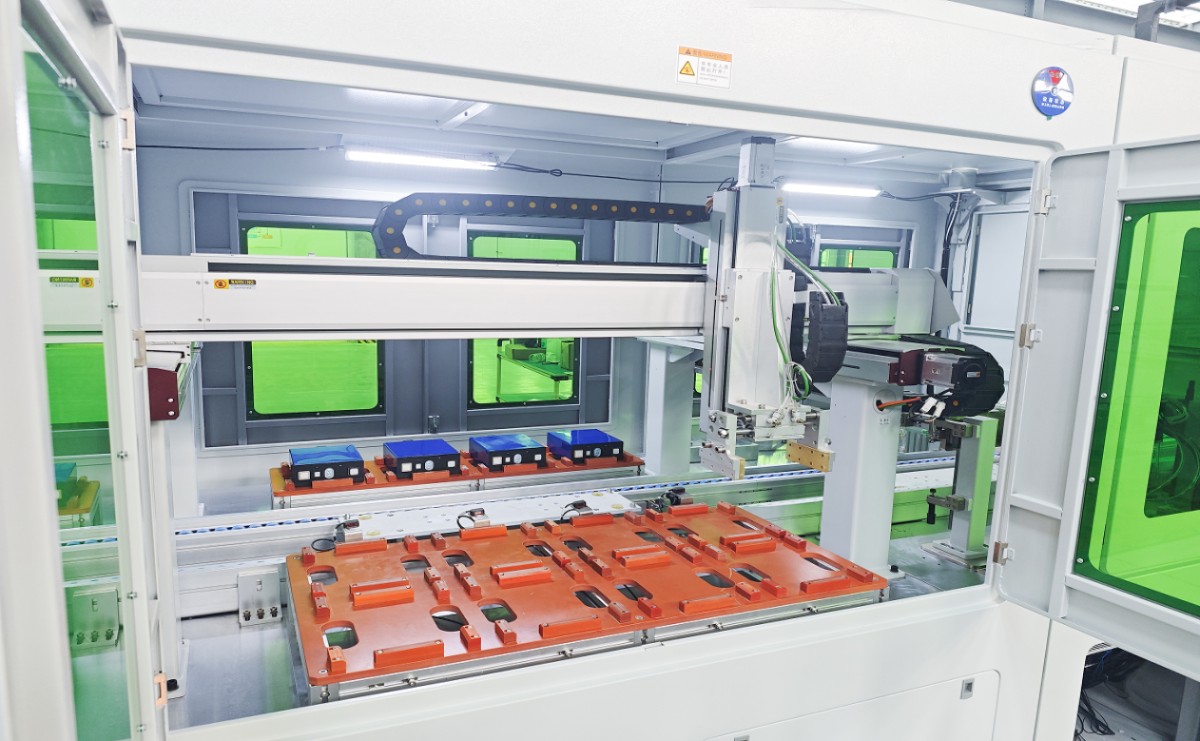
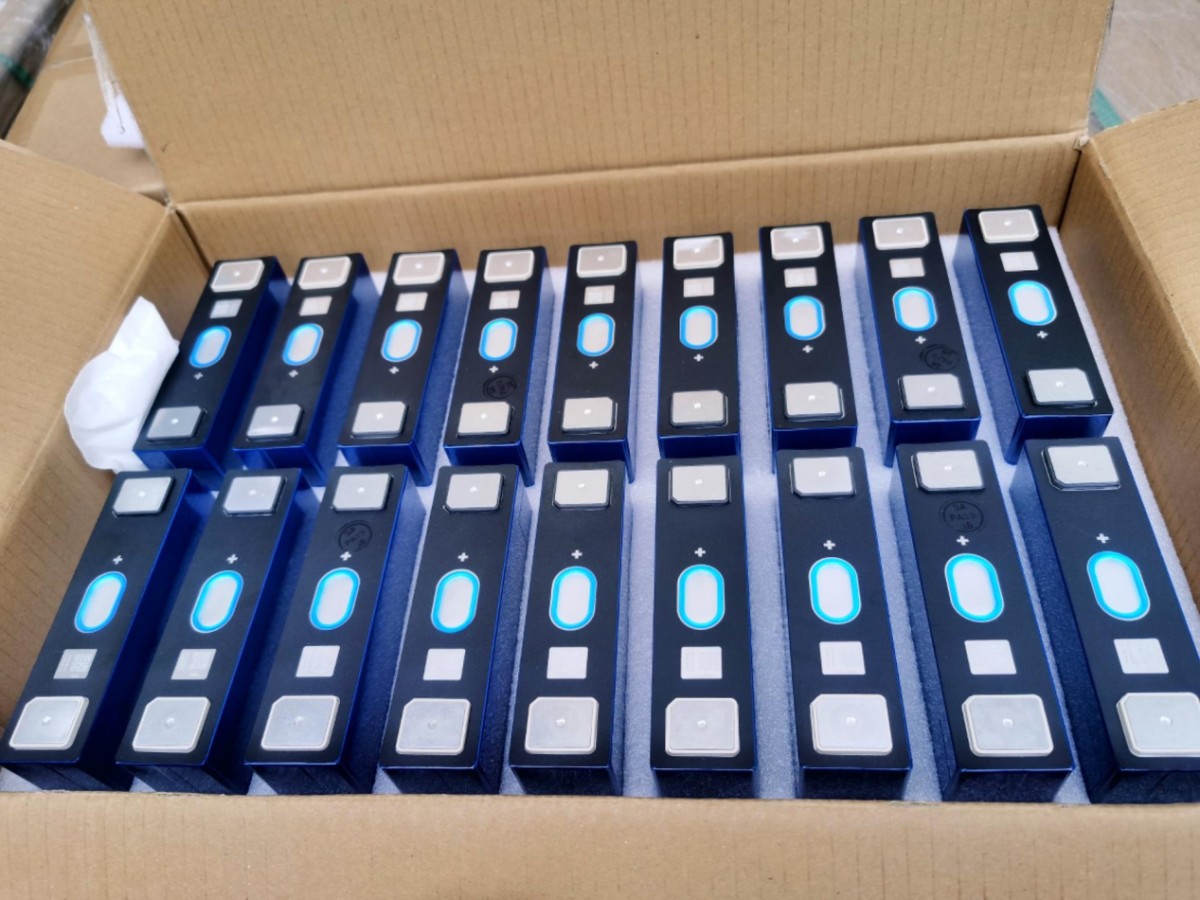
Maoshun New Materials Grade A Battery Production: Strict raw material inspection and standardized production process, ensuring product reliabilit
In terms of raw material control, Maoshun New Materials adheres to the principle of "strict source control", establishing a rigorous supplier selection system and only cooperating with well-known domestic and foreign raw material suppliers. For core raw materials such as positive electrodes, negative electrodes, separators, and electrolytes, we implement a "one batch, one code" management system. Before each batch of raw materials enters the factory, it undergoes multiple rounds of rigorous testing—raw materials that fail the testing are firmly prohibited from entering the production line. This eliminates quality hazards from the source, ensures the "excellent genes" of each cell, and lays a solid quality foundation for subsequent production, which is also one of the core prerequisites for the long-term stable operation of Maoshun’s products.
Related Posts
- ▶ Distinguish Between Electric Vehicle Disassembled Batteries and Grade A Batteries: Maoshun New Materials Upholds Quality Bottom Line to Lay a Solid Foundation for Energy Storage Safety
- ▶ What Maintenance Does Residential Energy Storage Really Need? A Technician’s Checklist
- ▶ Emerging Trends in Lithium Battery R&D: What Manufacturers Should Focus On
- ▶ Case Study: Successful Implementation of Multi-energy Complementary Systems in Commercial Buildings
- ▶ R&D Breakthroughs in Lithium Battery Manufacturing: What Procurement Teams Need to Know
Send Us A Message
